Irish District Stories
Iconic GAA Grounds Every Supporter Should Visit: The Irish District Long Read

Published
Iconic GAA grounds like Croke Park and Semple Stadium are central to Irish sports heritage, offering rich history and cultural significance. These venues host legendary matches and are integral to supporter identity and county pride. Let's explore why these grounds mean so much, their histories, and the unforgettable moments they've witnessed.
Key takeaways
- Croke Park is the largest GAA stadium, known for All-Ireland finals.
- Semple Stadium is famed for its hurling matches and rich history.
- Páirc Uí Chaoimh hosts major Gaelic football and hurling events.
- St. Tiernach's Park is central to Ulster GAA traditions.
- These grounds embody county pride and cultural heritage.
Setting the Scene: Why This Story Matters
GAA grounds are more than just venues; they are the heart of Irish sporting culture. They hold stories of triumph, heartbreak, and community spirit. Visiting these places is like walking through the pages of history, where the roar of the crowd and the clash of hurls have echoed for generations.
Croke Park, for instance, isn't merely a stadium; it's a symbol of Irish identity. As the headquarters of the GAA, it hosts the All-Ireland finals, drawing thousands of fans from across the country. Similarly, Semple Stadium in Thurles is known for its electric atmosphere during hurling matches, making it a pilgrimage site for fans.
These grounds are central to county pride and community identity. They represent the pinnacle of Gaelic games, where legends are born, and memories are made. For those with a passion for GAA, these venues offer a tangible connection to the past and a stage for future glory.
The significance of these grounds extends beyond sport. They are places where local and national history intertwine, where cultural and social narratives are played out. From historic matches to cultural events, these venues are embedded in the fabric of Irish life.
- GAA grounds are key to Irish identity and culture.
- Croke Park is central to the All-Ireland finals.
- Semple Stadium is a hurling hub in Thurles.
- These venues intertwine sport with cultural history.
The History and Origins
Many iconic GAA grounds have roots extending back to the 19th century. Croke Park, named after Archbishop Thomas Croke, has been a sporting venue since 1884. Its evolution from a modest sports field to a modern stadium mirrors the growth of the GAA itself.
Semple Stadium, originally called Thurles Sportsfield, became a prominent hurling venue in the early 1900s. It was renamed in honour of Tom Semple, a legendary hurling figure, and has been synonymous with Munster hurling ever since.
Páirc Uí Chaoimh in Cork, opened in 1976, reflects a more modern era of GAA stadiums. With its recent redevelopment, it remains a key fixture for both Gaelic football and hurling, hosting major Munster finals and other significant matches.
St. Tiernach's Park in Clones is another historic venue, dating back to 1929. It plays a crucial role in Ulster GAA, hosting many provincial finals. These grounds are not just about sport; they are about preserving a heritage that is deeply woven into the Irish experience.
- Croke Park dates back to 1884, named after Archbishop Croke.
- Semple Stadium is a historic hurling venue since the early 1900s.
- Páirc Uí Chaoimh opened in 1976, a modern GAA hub.
- St. Tiernach's Park has hosted Ulster finals since 1929.
The People, Teams and Moments That Defined It
Croke Park has seen countless legendary matches and moments, from the historic Bloody Sunday in 1920 to thrilling All-Ireland finals. Players like Mick O’Connell and Henry Shefflin have graced its pitch, leaving lasting legacies.
Semple Stadium is often associated with hurling greats like Nicky English and the famous Tipperary-Kilkenny clashes. These matches are etched in memory, showcasing skill, rivalry, and passion for the sport.
Páirc Uí Chaoimh has hosted many epic battles, particularly in football. Cork's dominance in the 1980s and 1990s is well remembered, where stars like Larry Tompkins and Jimmy Barry-Murphy made their mark.
St. Tiernach's Park is a bastion of Ulster GAA, with memorable moments in the Ulster Championship. The ground has witnessed intense rivalries and celebrated players like Peter Canavan, who etched their names into the annals of history.
- Croke Park hosted the tragic Bloody Sunday in 1920.
- Semple Stadium is famed for Tipperary-Kilkenny hurling clashes.
- Páirc Uí Chaoimh saw Cork's football dominance in the 80s/90s.
- St. Tiernach's Park is key in Ulster GAA's history.
Rivalries, Traditions and What It Means to Supporters
The rivalries that play out on these grounds are legendary. The Dublin-Kerry football rivalry at Croke Park is one of the fiercest, with both sides boasting passionate supporters and storied histories.
Semple Stadium is home to the Munster Hurling Championship, where Tipperary and Cork often face off in matches that are more than just games; they're cultural events filled with tradition.
Páirc Uí Chaoimh in Cork has its own unique atmosphere, especially during Cork-Kerry matches. The rivalry extends beyond the pitch, reflecting regional pride and identity.
At St. Tiernach's Park, the Ulster Championship games are a testament to the fierce competitiveness of the northern counties. These matches are battles of skill, strength, and will, deeply cherished by supporters who see them as part of their cultural heritage.
- Dublin-Kerry rivalry at Croke Park is intense.
- Tipperary-Cork hurling matches at Semple Stadium are iconic.
- Cork-Kerry games at Páirc Uí Chaoimh are culturally significant.
- Ulster Championship at St. Tiernach's Park is fiercely competitive.
How It Lives On Today — At Home and Across the Irish Diaspora
The legacy of these GAA grounds extends beyond Ireland, resonating with the Irish diaspora worldwide. Irish communities abroad often gather to watch matches, keeping the traditions alive far from home.
GAA clubs overseas, from Boston to Sydney, often emulate the spirit of these iconic grounds. They carry the essence of Croke Park or Semple Stadium, fostering a sense of belonging and identity among Irish emigrants.
Modern technology has allowed fans to connect with their beloved grounds from anywhere in the world. Streaming services and social media provide access to live matches, news, and updates, ensuring that the spirit of the GAA is always within reach.
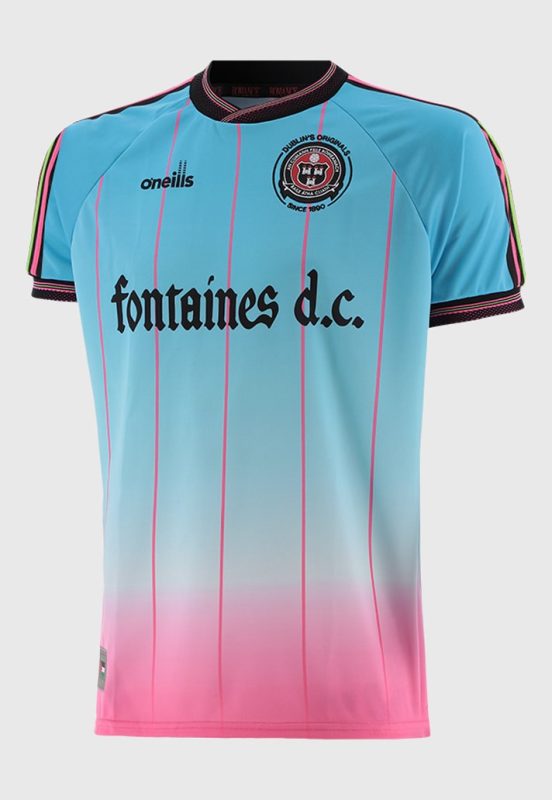
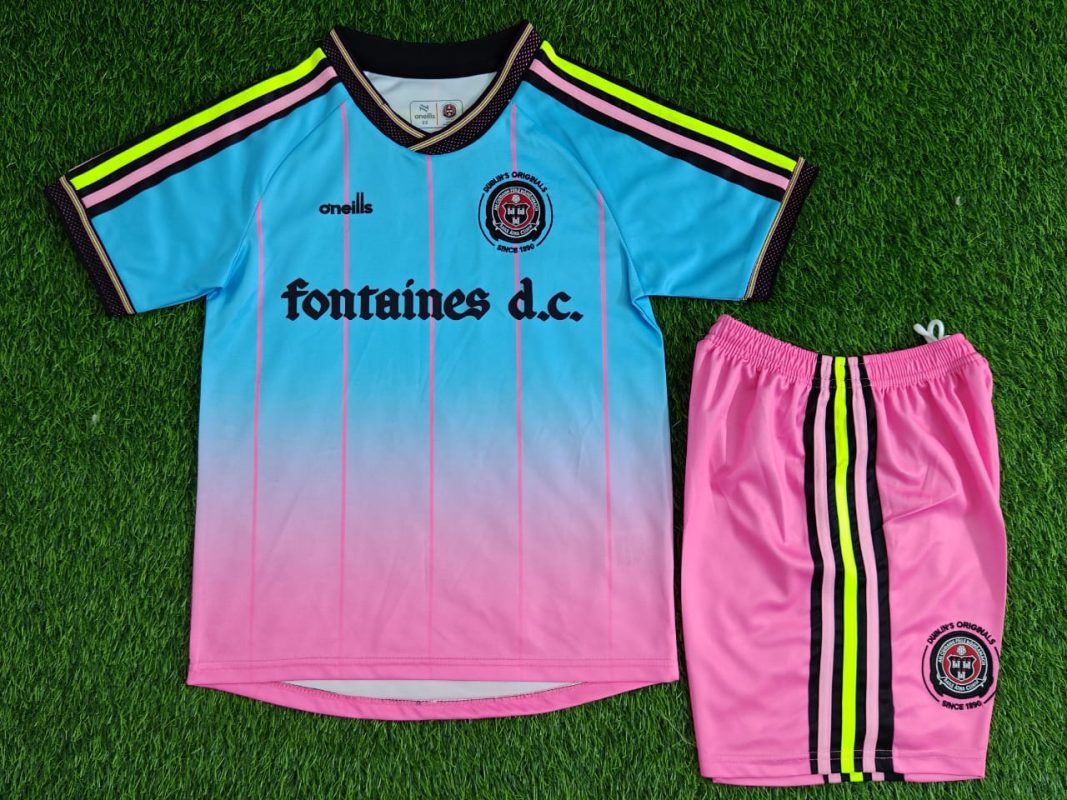
These grounds continue to inspire new generations, both at home and abroad. They are celebrated in Irish pubs, cultural events, and even in the merchandise worn by fans, like the Down GAA 2026 Alternative Jersey.
- GAA traditions thrive among the Irish diaspora.
- Overseas clubs emulate the spirit of Ireland's iconic grounds.
- Technology connects fans worldwide to live GAA events.
- Merchandise like jerseys helps fans celebrate their roots.
Ways Supporters Celebrate It
Supporters honour these iconic grounds through various means, from wearing county jerseys to attending matches. The GAA jersey is more than just attire; it's a badge of identity, pride, and connection to one's roots.
Replica jerseys, like the Tipperary GAA 2026 Home Jersey, allow supporters to feel part of the action, whether they're watching in the stands or from afar. They are worn with pride at matches, in local pubs, or even on casual days out.
Fans also celebrate these grounds through storytelling, passing down tales of legendary matches and players. These stories keep the spirit of the GAA alive, connecting past generations with the present.
Commemorative events and memorabilia play a significant role as well. Special editions and collectibles, like county flags and gifts, offer fans tangible connections to their favourite grounds and teams.
- GAA jerseys are symbols of county pride and identity.
- Replica jerseys connect fans to iconic grounds.
- Storytelling keeps GAA traditions alive.
- Memorabilia and gifts offer tangible connections.
Frequently asked questions
What is the most famous GAA ground?
Croke Park is the most famous GAA ground, known for hosting the All-Ireland finals and its central role in Irish sporting history.
Why is Semple Stadium important?
Semple Stadium is a key venue for hurling, renowned for its rich history and hosting major Munster hurling matches.
How do GAA grounds connect with the Irish diaspora?
GAA grounds connect with the Irish diaspora through overseas clubs, live match streaming, and cultural events that keep traditions alive.
What role do rivalries play in GAA grounds?
Rivalries are central to GAA grounds, with intense matches like Dublin-Kerry at Croke Park and Tipperary-Cork at Semple Stadium, reflecting deep cultural pride.
How do supporters celebrate GAA traditions?
Supporters celebrate GAA traditions through jerseys, storytelling, memorabilia, and attending matches, keeping the spirit of these iconic grounds alive.
Sources
- GAA.ie
- Irish District Homepage
Explore our GAA jerseys to wear your county pride.

FOLLOW IRISH DISTRICT
See More from Irish District on Google
Add Irish District as a Preferred Source to see more of our latest Irish sports, culture and community coverage across Google.
You can manage your preferred sources through your Google account at any time.Continue reading

Beyond the Headline: Gerry Fox appointed New York senior football manager
Gerry Fox's appointment as New York's senior football manager highlights his deep GAA roots, influencing Irish diaspora pride.

Salthill-Knocknacarra see off Ballinamore to set up Connacht semi-final with St Brigid’s — The Wider Story for the Irish Game
Salthill-Knocknacarra defeat Ballinamore to set up a Connacht semi-final with St Brigid’s, marking a significant moment in GAA...
Gaelic Associations Reaffirm Commitment to Integration in SGI Update: Context, Consequences and County Perspective
Gaelic associations reaffirm their commitment to integration in the SGI update. Dive into the history, significance, and impact...