Irish District Stories
The History of Monaghan GAA: Roots, Rivalries and Golden Eras
Published
Monaghan GAA's history is marked by resilience and passion, with roots dating back to the late 19th century. Its development has been shaped by regional pride and key victories. This history reflects Monaghan’s dedication to Gaelic games, making it a cornerstone of local identity and culture.
Key takeaways
- Monaghan GAA was founded in the late 19th century, embodying local pride and community spirit.
- Key rivalries, particularly with Cavan, have defined Monaghan's competitive spirit.
- The legacy of Monaghan GAA lives on through its diaspora, celebrating cultural heritage globally.
Setting the scene: why this story matters
The history of Monaghan GAA is more than just a tale of sports; it’s a story of community, resilience, and cultural identity. Founded in the late 19th century, Monaghan GAA has been a beacon of local pride and a unifying force for its people. Understanding this history helps us appreciate the deep-rooted passion that fuels the county's teams and supporters.
Monaghan’s geographical position and historical context have shaped its GAA journey. The county's commitment to Gaelic games not only reflects its sporting aspirations but also its cultural heritage and community values. The enduring support from fans, both locally and within the Irish diaspora, underscores the significance of this history.
For many in Monaghan, the GAA is interwoven with everyday life, influencing social gatherings, family traditions, and local identity. The impact of the GAA extends beyond sport, fostering a sense of belonging and tradition that resonates with Monaghan natives worldwide.
As we delve into the history of Monaghan GAA, we uncover the stories of triumph, rivalry, and perseverance that have defined the county’s sporting landscape. These narratives highlight the unique character of Monaghan and its unwavering dedication to Gaelic games.
The history and origins
Monaghan GAA was officially established in 1888, amid a national movement to promote Gaelic games across Ireland. Its formation was part of a broader effort to preserve Irish culture and foster community spirit in the face of British rule. This early commitment laid the groundwork for a tradition of sporting excellence and local pride.
The county's early years were marked by challenges, including limited resources and facilities. However, the determination of local clubs and volunteers ensured the growth and sustainability of Gaelic games in Monaghan. The county's teams began to make their mark on the provincial stage, setting the foundation for future successes.
Throughout the 20th century, Monaghan GAA developed a reputation for tenacity and skill. Key moments, such as winning the Ulster Senior Football Championship in 1930, helped to cement Monaghan’s status as a formidable force in Gaelic football.
The post-war era saw Monaghan GAA continue to build on its legacy, with significant achievements in both football and hurling. The county's commitment to youth development and community involvement further strengthened its sporting institutions and cultural influence.
The people, teams and moments that defined it
Monaghan GAA owes much of its success to the dedication of its players, coaches, and supporters. Legendary figures such as Eoin Lennon and Conor McManus have become symbols of Monaghan’s football prowess, inspiring future generations with their skill and leadership.
Teams like the Monaghan senior football squad have etched their names into history with memorable victories. The 1988 Ulster Championship win, breaking a lengthy drought, remains a celebrated achievement in the county’s sporting annals.
Key moments in Monaghan GAA’s history often coincide with periods of social and economic change, reflecting the wider context in which the county’s teams have operated. The resilience shown by Monaghan players and fans during tough times exemplifies the spirit and determination that define the county.
The supporters of Monaghan GAA, known for their passionate backing, play a crucial role in the team’s successes. Their unwavering support, both at home and in venues like Croke Park, highlights the deep connection between the county’s people and their teams.
Rivalries, traditions and what it means to supporters
Monaghan GAA’s history is enriched by its fierce rivalries, particularly with neighboring Cavan. These encounters are more than just matches; they are cultural events that bring communities together and ignite county pride.
Traditions such as the annual county final and the celebrations that follow are integral to Monaghan’s sporting culture. These events provide opportunities for communities to come together, celebrate their identity, and support their teams with fervor.
For supporters, Monaghan GAA represents more than just sport. It embodies a sense of belonging, community pride, and continuity. Attending matches, wearing the county colors, and participating in local traditions are ways in which fans express their loyalty and connection to Monaghan.
The impact of Monaghan GAA on its supporters is profound, fostering a sense of identity that transcends the playing field. The county’s sporting achievements are a source of pride and inspiration, uniting families and communities across generations.
How it lives on today — at home and across the Irish diaspora
Today, Monaghan GAA continues to thrive, with its influence extending beyond the county's borders. The club’s legacy is celebrated by the Irish diaspora, who maintain strong connections to their roots through sport.
Monaghan GAA clubs abroad serve as hubs for community gathering, cultural preservation, and sporting excellence. They provide opportunities for those with Monaghan heritage to engage with their cultural identity and support their county from afar.
At home, the county continues to invest in its GAA infrastructure, ensuring the sustainability and growth of Gaelic games for future generations. Initiatives aimed at youth development and community involvement are central to Monaghan’s sporting vision.
The enduring legacy of Monaghan GAA reflects its ability to adapt and evolve while staying true to its roots. This adaptability ensures that Monaghan’s sporting culture remains vibrant and relevant, connecting past achievements with future aspirations.
Ways supporters celebrate it
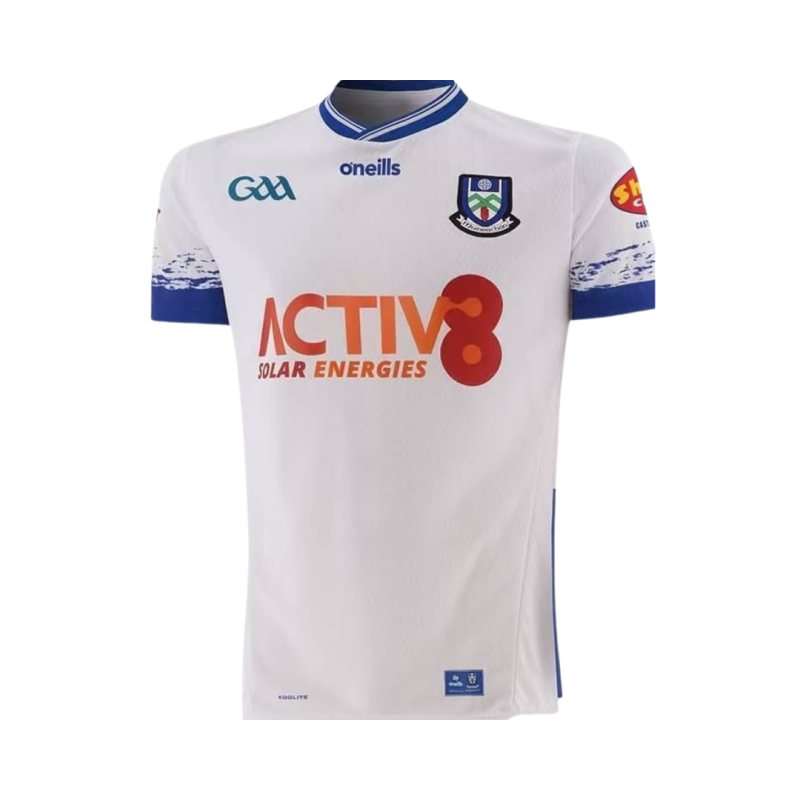
Supporters of Monaghan GAA celebrate their county’s heritage in various ways, from attending matches to donning the iconic blue and white jerseys. These expressions of loyalty highlight the deep connection between the county’s people and their teams.
Merchandise, such as the Monaghan GAA 2026 Home Jersey, allows fans to showcase their pride and support for the team. Wearing these jerseys is a way to feel connected, whether at a match or abroad.
Gifts and memorabilia also play a role in celebrating Monaghan’s GAA history. Items like the Monaghan Ireland Hoodie serve as reminders of the county’s sporting achievements and cultural identity.
For the diaspora, supporting Monaghan GAA is a way to maintain ties to their heritage. Whether through local clubs or family traditions, the spirit of Monaghan GAA lives on, uniting supporters across the globe.
Frequently asked questions
When was Monaghan GAA founded?
Monaghan GAA was founded in 1888, amidst a nationwide movement to promote Gaelic games and preserve Irish culture.
What are some key achievements of Monaghan GAA?
Key achievements include winning the Ulster Senior Football Championship multiple times, with notable victories in 1930 and 1988.
What role does the diaspora play in Monaghan GAA?
The diaspora maintains strong ties to Monaghan GAA, celebrating their heritage through local clubs and supporting the county from abroad.
Sources
Explore Monaghan's rich GAA heritage and discover the latest jerseys.
FOLLOW IRISH DISTRICT
See More from Irish District on Google
Add Irish District as a Preferred Source to see more of our latest Irish sports, culture and community coverage across Google.
You can manage your preferred sources through your Google account at any time.Continue reading

Beyond the Headline: Gerry Fox appointed New York senior football manager
Gerry Fox's appointment as New York's senior football manager highlights his deep GAA roots, influencing Irish diaspora pride.
Salthill-Knocknacarra see off Ballinamore to set up Connacht semi-final with St Brigid’s — The Wider Story for the Irish Game
Salthill-Knocknacarra defeat Ballinamore to set up a Connacht semi-final with St Brigid’s, marking a significant moment in GAA...
Gaelic Associations Reaffirm Commitment to Integration in SGI Update: Context, Consequences and County Perspective
Gaelic associations reaffirm their commitment to integration in the SGI update. Dive into the history, significance, and impact...