Irish District Stories
Beyond the Headline: Club Football Championships in Ireland
Published
The current club football champions across Ireland vary by county, with each region showcasing its unique strengths and rivalries. This landscape reflects the deep-rooted passion and local pride that fuel Irish football. As the championships unfold, they offer a vibrant tapestry of sporting excellence and community spirit, uniting fans across the nation.
Key takeaways
- County champions differ, highlighting local strengths.
- Irish football is rich in tradition and community spirit.
- Rivalries add intensity to the championships.
- Supporters celebrate through various traditions and memorabilia.
- The sport's impact extends to the Irish diaspora.
Setting the Scene: Why This Story Matters
The club football championships in Ireland are more than just sporting events; they are a celebration of local identity and pride. Each county's team represents its community, showcasing the unique blend of skill, tradition, and passion that defines Irish football. This year's championships promise to be as thrilling as ever, with various counties vying for the top spot.
Understanding who holds the title of county champion is crucial for supporters across Ireland. It not only reflects the current state of play but also influences team dynamics and local bragging rights. The championships offer a chance for counties to assert their dominance, and for fans to rally behind their teams.
The nature of these championships is steeped in tradition, with rivalries that have been nurtured over decades. Each match is a spectacle, drawing in fans who cherish the sport's history and the opportunity to witness new legends being born. The championships provide a stage where the old meets the new, blending past glories with future potential.
For those immersed in the world of Irish football, understanding the current champions and contenders is essential. It informs discussions, fuels debates, and keeps the spirit of competition alive. These championships are a cornerstone of Irish sporting culture, connecting communities and celebrating the island's rich heritage.
The History and Origins
The roots of club football in Ireland trace back to the late 19th century, with the formation of the Gaelic Athletic Association (GAA) in 1884. This organisation was pivotal in formalising the structure of Irish sports, including football, and fostering a sense of national identity. The GAA’s establishment marked a turning point, defining the rules and fostering a competitive spirit that still thrives today.
Initially, club football championships were localised events, with counties competing internally to assert their prowess. Over time, these competitions evolved into nationally recognized tournaments, drawing teams from all corners of the island. This expansion mirrored Ireland’s growing interest in football, transforming it into a cultural staple that transcends mere sport.
One of the most significant developments in the history of Irish football was the introduction of the All-Ireland Senior Club Football Championship. Established in 1970, this competition brought a new level of prestige and competition, pitting the best clubs from each province against one another to claim national glory.
The evolution of club football championships reflects broader social changes in Ireland. As communities grew and developed, so too did their football clubs, becoming focal points of local pride and identity. This historical journey underscores the championships' enduring significance in Irish culture.
The People, Teams and Moments that Defined It
Irish club football is filled with remarkable individuals and teams whose contributions have left an indelible mark on the sport. Figures like Mick O’Dwyer and Kevin Heffernan are celebrated not only for their prowess on the field but for their leadership and influence off it. Their legacies continue to inspire new generations of players and fans.
Teams such as Crossmaglen Rangers and Nemo Rangers have become synonymous with success in the championships. Their dominance in various eras has set benchmarks for excellence, creating dynasties that other clubs aspire to emulate. These teams represent the pinnacle of club football, illustrating what can be achieved through dedication and teamwork.
Moments of brilliance have punctuated the history of these championships, from last-minute goals that snatched victory from the jaws of defeat to unexpected triumphs by underdogs. Each year, the championships provide a fresh canvas for new stories to unfold, contributing to the rich tapestry of Irish football legend.
The narratives woven through these championships are not just about the games themselves but about the communities they represent. The people involved, from players to coaches to supporters, all play vital roles in shaping the legacy and future of Irish club football.
Rivalries, Traditions and What It Means to Supporters
Rivalries are the lifeblood of the club football championships in Ireland. Encounters between teams like Kerry and Dublin, or Cork and Mayo, are steeped in history and anticipation. These matchups are more than just games; they are battles for supremacy that ignite passions and galvanize communities.
Traditions play a significant role in how these rivalries are celebrated. From pre-match rituals to post-victory celebrations, supporters have their unique ways of expressing allegiance and pride. These traditions are passed down through generations, creating a living history that enriches the sport.
To the supporters, these championships are an expression of identity and belonging. Wearing a club jersey or waving a county flag is a declaration of loyalty and pride. The matches offer an opportunity for fans to connect with their heritage and community, reinforcing bonds that extend beyond the sport itself.
For many, the championships are a highlight of the sporting calendar, offering a sense of continuity and connection. They represent moments of joy, heartbreak, and everything in between, encapsulating the full spectrum of human emotion that sport can evoke.
How It Lives On Today — At Home and Across the Irish Diaspora
The impact of the club football championships extends far beyond the fields of Ireland. For the Irish diaspora, these games are a link to home, a way to stay connected with their roots despite geographical distance. Watching a match or following a team offers a taste of Ireland no matter where one resides.
In cities like New York and London, Irish communities gather to watch games, fostering camaraderie and shared identity. These gatherings are not merely about the sport but about preserving a cultural connection and celebrating shared heritage. The championships serve as a bridge between the past and the present, uniting those far from home.
Back in Ireland, the influence of the championships is evident in the thriving local clubs and the passionate fanbases that support them. From school teams to senior clubs, the spirit of competition is alive and well, inspiring new generations to pick up the sport and continue the tradition.
The championships also play a role in promoting Irish culture internationally. As the matches are broadcast globally, they offer a window into Ireland's rich sporting culture, showcasing the passion and pride that define the nation’s approach to football.
Ways Supporters Celebrate It
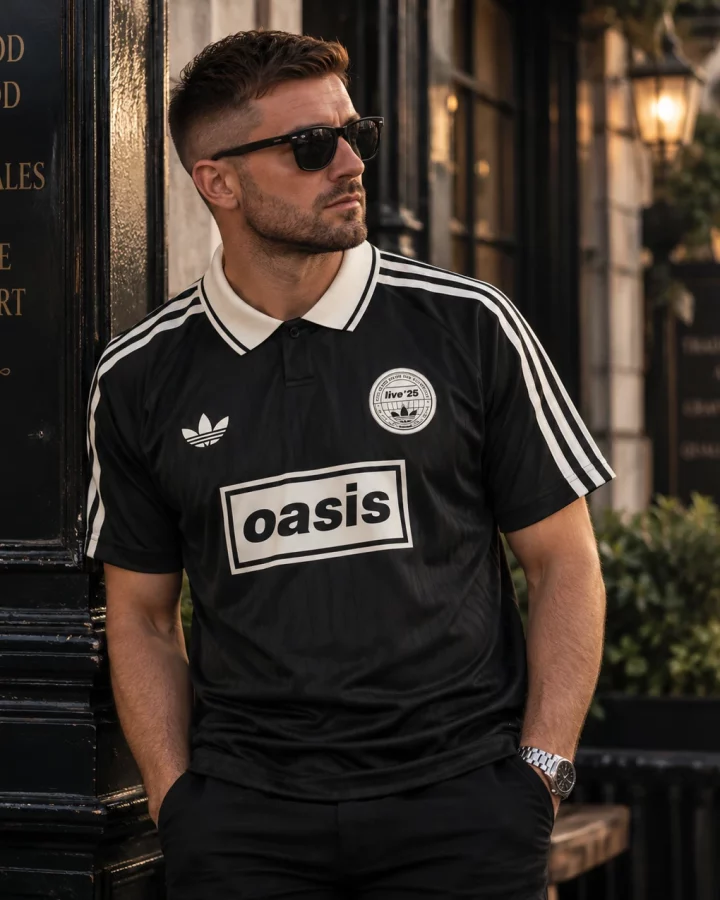
Supporters of Irish club football celebrate in myriad ways, from donning their county's colours to attending matches and participating in local club events. Merchandise, such as jerseys and scarves, plays a crucial role in expressing support and identity. For those looking to wear their pride, options like the Ireland St. Patrick Umbro 17-3 Football Jersey Green are popular choices.
Local events, including match screenings and club fundraisers, provide opportunities for fans to gather and celebrate their teams. These gatherings offer a sense of community and continuity, reinforcing the bonds between supporters and their clubs.
For those living abroad, online communities and social media platforms serve as virtual gathering places to discuss matches, share experiences, and maintain a connection to Irish football. These digital spaces allow fans to participate in the championships' excitement regardless of location.
Memorabilia and collectibles also hold a special place in the hearts of supporters. Items like signed jerseys or commemorative programmes serve as tangible reminders of memorable matches and cherished moments, preserving the history and legacy of Irish club football.
The State of Play Around Ireland
As of the latest updates, the club football landscape in Ireland is as competitive as ever. Each county brings its unique strengths to the field, with current champions showcasing the depth of talent across the nation. Keeping track of these champions is crucial for understanding the current state of play and the dynamics at work within the sport.
Counties like Dublin and Kerry remain powerhouses, often leading the charge with formidable teams and strategies. Meanwhile, other counties are making their mark, with up-and-coming clubs challenging the traditional hierarchy and adding excitement to the championships.
The current season has seen thrilling matches and unexpected outcomes, reflecting the unpredictable nature of the sport. This unpredictability keeps fans engaged and invested, as no outcome is ever guaranteed, making each game a must-watch spectacle.
For those interested in following the championships closely, staying updated with the latest news and results is essential. Resources like the Irish Times Gaelic Games provide comprehensive coverage of the events, ensuring fans are always in the loop.
Frequently asked questions
Who are the current county champions in Ireland?
The current county champions vary by region, with each county having its own titleholder. Traditional powerhouses like Dublin and Kerry often feature prominently, but recent seasons have seen surprises from emerging clubs.
How do Irish club football championships work?
The championships involve teams from each county competing to win their respective titles. Winners then advance to the provincial championships, culminating in the All-Ireland Club Championship, where the best teams compete for national glory.
What role do rivalries play in Irish football championships?
Rivalries are central to Irish football, adding intensity and excitement to the championships. Historic matchups between counties like Dublin and Kerry are particularly anticipated, drawing large crowds and passionate support.
Sources
Explore the full range of Irish football jerseys.

FOLLOW IRISH DISTRICT
See More from Irish District on Google
Add Irish District as a Preferred Source to see more of our latest Irish sports, culture and community coverage across Google.
You can manage your preferred sources through your Google account at any time.Continue reading

Even in the TikTok Era a Band Cannot Thrive on Huge Rubber Face Masks Alone: Angine de Poitrine’s Musical Impact
Angine de Poitrine proves that in the TikTok era, stunning visuals need the backing of solid tunes to...
Cruz Beckham to play Dublin date while on tour with band: Why This Irish Culture Story Matters
Cruz Beckham's band is set to perform in Dublin, emphasising the cultural connections and musical heritage between Ireland...
Beyond the Headline: Grumbling has arisen around a new posthumous album of vocal gurglings from the foreman of The Fall with music added after his death. Which is fairly on-brand
Dive into the controversy surrounding The Fall's new posthumous album, exploring its impact on music culture and Irish...