Irish District Stories
Club football championships: Use our interactive map to see the state of play in each county around Ireland: Why This Story Matters to Irish Supporters

Published
The interactive map of club football championships provides real-time insights into each county's status, showcasing key matches and regional rivalries. For the die-hard supporter, it’s more than just a map; it's a gateway to understanding the pulse of Irish club football. Whether tracing historical rivalries or tracking current performances, this tool enriches the experience.
Key takeaways
- The interactive map offers a real-time view of club football standings across Ireland.
- Historical rivalries are highlighted, deepening understanding of county identities.
- Supporters can explore the cultural significance of club championships.
- The map is a valuable resource for both local fans and the Irish diaspora.
- Club football plays a crucial role in maintaining county pride and community spirit.
Setting the Scene: Why This Story Matters
The club football championships map is an innovative tool that allows fans to track the progress of their teams across Ireland. It highlights the current standings and provides insights into the dynamics of local competitions. This is not just about scores; it's about understanding the heart and soul of Irish football.
For supporters, keeping up with club football is about more than just the sport itself. It's about community, identity, and history. This map serves as a bridge between past glory and current challenges, offering a comprehensive view of the competition landscape.
The interactive nature of the map allows for a more engaging experience. Fans can easily navigate through different counties, uncovering stories and rivalries that define the sport locally. This digital innovation enriches the traditional fan experience.
In a nation where football is intertwined with local pride and heritage, this tool is invaluable for supporters both at home and abroad. It allows the diaspora to stay connected with their roots and follow the fortunes of their hometown clubs.
- Interactive map tracks current standings.
- Highlights local rivalries and historical context.
- Engages supporters with dynamic content.
The History and Origins of Club Football Championships
Club football in Ireland has deep roots, with competitions dating back to the late 19th century. The GAA's establishment in 1884 marked a new era for organised sports, with each county forming clubs that reflected local identities and aspirations.
These championships were initially modest affairs, but they quickly became central to community life. Teams were formed from parishes, creating a strong sense of local rivalry and pride. The competitions grew in scope and significance over the decades.
By the mid-20th century, club football had become a staple of Irish cultural life. Families and entire communities would rally around their local teams, with matches becoming key social events. The championships were not just about sport; they were about belonging.
The evolution of club football reflects broader changes in Irish society. From rural community gatherings to modern, digitally connected events, the sport has adapted while retaining its core values of community and competition.
- GAA founded in 1884, fostering organised sports.
- Early championships focused on local parish teams.
- Mid-20th century saw football as a cultural staple.
- Reflects societal changes while retaining core values.
The People, Teams and Moments That Defined It
Throughout its history, Irish club football has been shaped by legendary teams and unforgettable moments. Names like St. Vincent's in Dublin or Crossmaglen Rangers in Armagh have become synonymous with excellence and determination.
Iconic matches have left lasting impressions, such as the epic encounters between Kerry's Dr. Crokes and Cork's Nemo Rangers. These games not only showcased skill but also highlighted the fierce competitive spirit that drives the championships.
Players, too, have etched their names into the annals of history. Figures like Colm Cooper and Stephen Cluxton have inspired generations, their performances often turning the tide in crucial matches.
The passion and dedication of players, coaches, and fans have continually driven the evolution of club football. It is this collective commitment that ensures the sport remains a vital part of Irish culture.
- St. Vincent's and Crossmaglen Rangers: icons of excellence.
- Memorable matches highlight competitive spirit.
- Stars like Colm Cooper inspire new generations.
- Collective commitment keeps football culturally vital.
Rivalries, Traditions and What It Means to Supporters
Rivalries in club football are the lifeblood of the sport. Matches between neighbouring counties often become legendary battles, encapsulating the tensions and friendships inherent in Irish culture.
Traditions play a significant role, with pre-match rituals and post-match celebrations fostering a sense of community. These traditions are passed down through generations, becoming key aspects of local identity.
For supporters, attending a club football match is an emotional experience. It's an opportunity to express pride in one's roots, celebrate community achievements, and partake in a shared history.
The rivalries extend beyond the pitch, influencing local pride and identity. Whether it’s the famed Kilkenny-Tipperary hurling clashes or the Dublin-Meath football showdowns, these events are deeply embedded in the social fabric.
- Rivalries are central to club football's appeal.
- Pre and post-match traditions enhance community ties.
- Matches are emotional expressions of local pride.
- Rivalries influence broader cultural and social identity.
How It Lives On Today — At Home and Across the Irish Diaspora
Today, club football is not confined to Ireland's borders. The Irish diaspora has brought the sport to global audiences, with clubs and communities forming in cities like New York, Sydney, and London.
These international clubs maintain strong ties to their Irish roots, often competing in tournaments that mimic the structure of county championships back home. They serve as a cultural bridge for Irish expatriates.
The rise of digital platforms has also allowed for greater connectivity. Supporters can now watch matches and follow their favourite teams regardless of where they are in the world, preserving their connection to home.
Club football continues to thrive due to its adaptability and the passion of its supporters. It remains a symbol of Irish identity, celebrated both at home and abroad.
- Global diaspora keeps club football alive abroad.
- International clubs mimic Irish championship structure.
- Digital platforms enhance global connectivity.
- Club football remains a symbol of Irish identity.
Ways Supporters Celebrate It
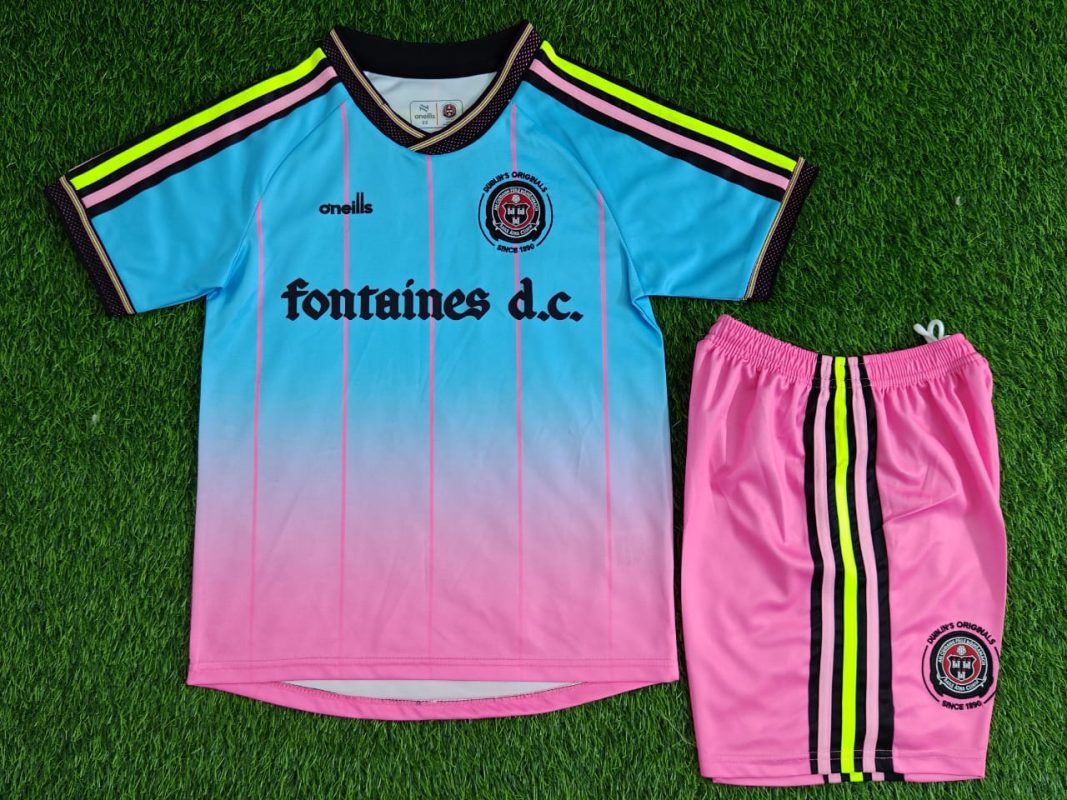
Supporters celebrate club football through a variety of means, from wearing their county colours to organising local events. Merchandise, such as jerseys, plays a key role in expressing support and pride.
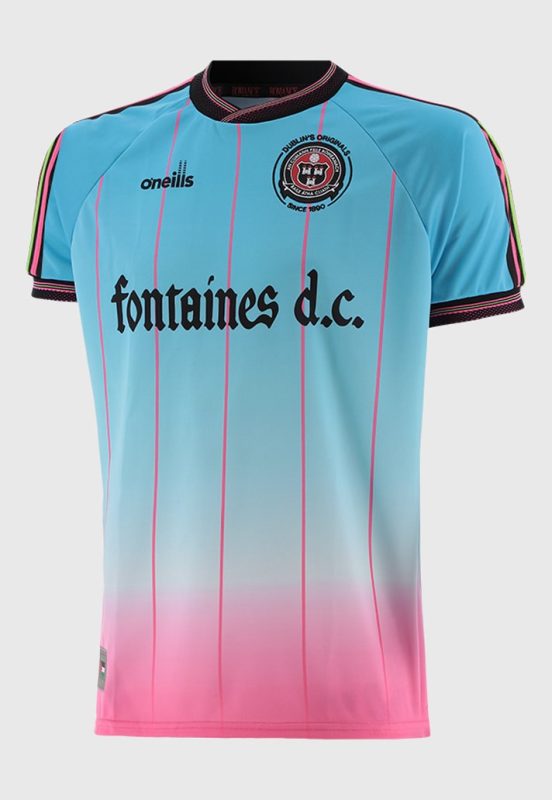
The Ireland St. Patrick Umbro 17-3 Football Jersey Green is a popular choice among fans, symbolising a connection to both contemporary sport and traditional Irish culture.
Community events are common, with local clubs hosting fundraisers, social nights, and viewing parties. These gatherings strengthen community bonds and celebrate the sport’s significance.
For the Irish diaspora, celebrating club football often involves connecting with fellow expatriates and reliving the traditions and rivalries that define the sport. It's a way to maintain a cultural connection despite geographical distance.
- Merchandise expresses support and pride.
- Community events strengthen local bonds.
- Diaspora relives traditions and rivalries.
- Jerseys like the Umbro 17-3 symbolize identity.
Frequently asked questions
How can I use the interactive map for club football championships?
The map allows you to explore current standings, historical rivalries, and key matches across Irish counties, providing a comprehensive view of the club football landscape.
Why are rivalries so important in Irish club football?
Rivalries are central to the sport, reflecting local pride and history. They foster community spirit and are deeply embedded in the cultural identity of regions.
How does the Irish diaspora engage with club football?
The diaspora forms clubs abroad that mimic Irish championships, allowing expatriates to connect with their heritage and maintain cultural ties through sport.
Sources
Explore the latest jerseys and support your county team.
FOLLOW IRISH DISTRICT
See More from Irish District on Google
Add Irish District as a Preferred Source to see more of our latest Irish sports, culture and community coverage across Google.
You can manage your preferred sources through your Google account at any time.Continue reading
Beyond the Headline: Gerry Fox appointed New York senior football manager
Gerry Fox's appointment as New York's senior football manager highlights his deep GAA roots, influencing Irish diaspora pride.
Salthill-Knocknacarra see off Ballinamore to set up Connacht semi-final with St Brigid’s — The Wider Story for the Irish Game
Salthill-Knocknacarra defeat Ballinamore to set up a Connacht semi-final with St Brigid’s, marking a significant moment in GAA...
Gaelic Associations Reaffirm Commitment to Integration in SGI Update: Context, Consequences and County Perspective
Gaelic associations reaffirm their commitment to integration in the SGI update. Dive into the history, significance, and impact...