Irish District Stories
Famous Armagh Matches That Irish Supporters Still Talk About
Published
Armagh's famous matches include the 2002 All-Ireland final victory, a landmark win for the county. These games resonate deeply with supporters, embodying Armagh's sporting spirit. From the terraces of Croke Park to local clubs, Armagh's storied past in GAA is etched in every fan's memory. This deep dive into Armagh's most famous matches explores the moments that define the county's sporting heritage.
Key takeaways
- Armagh's 2002 All-Ireland win remains iconic.
- Key rivalries shape Armagh's GAA history.
- Supporter culture thrives across the Irish diaspora.
- Armagh's matches reflect its community pride.
- County colours and gear celebrate Armagh's heritage.
Why Are Armagh Matches So Famous?
The significance of Armagh's matches is deeply rooted in the county's vibrant GAA culture. The 2002 All-Ireland final, where Armagh claimed victory over Kerry, stands out as a pivotal moment. It wasn't just a win; it was a testament to the county's resilience and passion for Gaelic football. This match brought home Armagh's first and only All-Ireland Senior Football Championship title, cementing its place in history.
Beyond the 2002 triumph, Armagh's encounters with rival counties like Tyrone have consistently delivered nail-biting excitement. These matches are more than just sporting events; they are cultural gatherings that unite communities and ignite county pride. Each game is a chapter in the story of Armagh's sporting legacy.
The county's commitment to excellence in GAA is evident in the dedication of its players and the fervour of its supporters. The atmosphere at these matches is electric, echoing with the cheers and chants of fans who wear their orange and white colours with pride.
In summary, Armagh's famous matches are celebrated for their competitive spirit, historical significance, and the unifying effect they have on the county's people.
The 2002 All-Ireland Final: A Landmark Victory
The 2002 All-Ireland final against Kerry was a watershed moment for Armagh. Under the management of Joe Kernan, the team displayed immense skill and determination. The game took place at Croke Park, and the tension was palpable as Armagh sought their first championship title.
Kerry, a powerhouse in Gaelic football, was a formidable opponent. However, Armagh's players, led by captain Kieran McGeeney, rose to the occasion. The match was hard-fought, with Armagh securing a 1-12 to 0-14 victory, thanks in part to a crucial goal by Oisín McConville.
This victory had a profound impact on the county. It was a moment of immense pride for Armagh, inspiring a new generation of players and supporters. The scenes of celebration that followed are etched in the memories of all who witnessed them, both in the stadium and across the county.
The 2002 final is more than a match; it is a symbol of Armagh's determination and spirit, a testament to the county's place in GAA history.
Who Are Armagh's Biggest Rivals?
Armagh's rivalry with Tyrone is one of the most intense in Gaelic football. Matches between these two counties are eagerly anticipated and often deliver thrilling displays of skill and passion. The rivalry is rooted in geographical proximity and a history of closely contested games.
Another notable rivalry is with Down. These matches are steeped in tradition and regional pride, often drawing large crowds and generating significant local interest. The fierce competition has produced some memorable encounters over the years, adding to the lore of Ulster football.
In addition to these local rivalries, Armagh has faced off against other powerhouses like Dublin and Mayo in crucial matches, each encounter contributing to the county's rich sporting narrative.
These rivalries are more than just about the games themselves; they foster a sense of community and identity among supporters, making each match a celebration of Armagh's heritage.
How Do Armagh's Matches Influence Supporters?
Armagh's famous matches have a lasting influence on its supporters, both at home and abroad. The victories and hard-fought battles instill a deep sense of pride and belonging among fans. For many, supporting Armagh is a family tradition, passed down through generations.
The county's matches offer more than just sporting entertainment; they provide a connection to home for the Irish diaspora. Watching Armagh play, whether in person or from afar, is a way to stay connected to one's roots.
Supporters express their allegiance by donning Armagh's iconic orange and white colours. Jerseys, scarves, and other gear are a common sight, particularly during championship season, as fans display their pride.
Armagh's matches are cherished memories that reflect the county's spirit and tenacity, resonating with supporters long after the final whistle.
Celebrating Armagh's Legacy
Supporters celebrate Armagh's legacy in various ways, including attending matches, participating in local clubs, and engaging with the community. The county's GAA culture is vibrant, with events and gatherings that honour its sporting achievements.
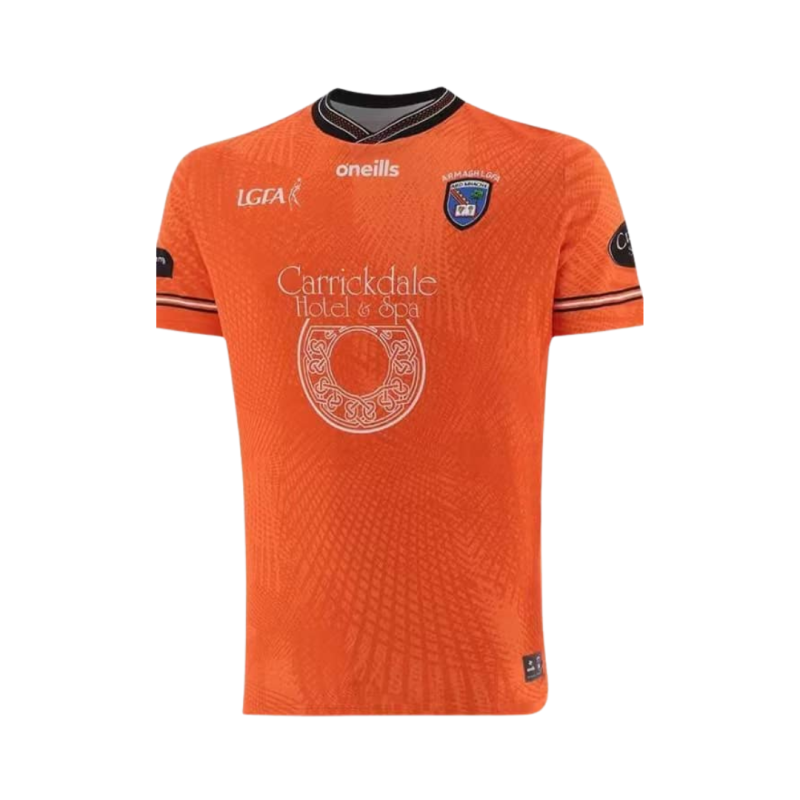
Merchandise plays a significant role in this celebration, with items like the Armagh LGFA 2026 Home Jersey and other apparel allowing fans to wear their pride. These products are not just clothing; they are symbols of identity and heritage.
For those looking to delve deeper into the county's story, exploring resources like the Why Armagh Wears Orange And White article offers a rich understanding of the county's colours and traditions.
Armagh's sporting legacy continues to thrive, celebrated by fans who cherish the memories and look forward to future triumphs.
What Are the Iconic Moments in Armagh's GAA History?
Armagh's GAA history is peppered with iconic moments that have become part of the county's folklore. Beyond the 2002 All-Ireland final, matches like the 1999 Ulster Championship victory over Down stand out, showcasing the team's prowess and determination.
The development of players like Kieran McGeeney and Oisín McConville, who have become legends in their own right, adds to the county's rich tapestry. Their contributions on the field have inspired countless young athletes in Armagh.
Memorable matches against formidable opponents and the rise of new talents ensure that Armagh's GAA story is ever-evolving, with each season bringing new opportunities to create history.
These moments are celebrated not only in Armagh but among the Irish diaspora, ensuring that the county's sporting achievements are recognised worldwide.
How Does Armagh's GAA Influence Its Culture?
GAA is more than just a sport in Armagh; it's a cornerstone of the county's culture. The games bring people together, fostering a sense of community and shared identity. Local clubs are hubs of activity, nurturing talent and keeping traditions alive.
Armagh's influence extends beyond its borders, with expatriates proudly supporting their home county from afar. The global reach of the county's GAA culture is a testament to its enduring appeal and relevance.
The county's vibrant supporter culture is evident in the widespread adoption of Armagh-themed gear, from jerseys to Armagh Scarves, allowing fans to express their pride and connection to their roots.
In essence, Armagh's GAA is a vital part of its cultural fabric, influencing everything from social gatherings to the personal identities of its supporters.
Frequently asked questions
What was Armagh's most famous match?
Armagh's most famous match is the 2002 All-Ireland final, where they defeated Kerry to win their first championship title. This victory is a cornerstone of Armagh's sporting history.
Who are Armagh's biggest rivals?
Armagh's biggest rivals include Tyrone and Down. These matches are hotly contested and deeply rooted in regional pride and tradition.
How do Armagh supporters celebrate their team?
Armagh supporters celebrate by attending matches, wearing county colours, and participating in local GAA events. Merchandise like jerseys and scarves are popular ways to show support.
Sources
Explore Armagh's rich GAA heritage and show your support with county gear.

FOLLOW IRISH DISTRICT
See More from Irish District on Google
Add Irish District as a Preferred Source to see more of our latest Irish sports, culture and community coverage across Google.
You can manage your preferred sources through your Google account at any time.Continue reading

Even in the TikTok Era a Band Cannot Thrive on Huge Rubber Face Masks Alone: Angine de Poitrine’s Musical Impact
Angine de Poitrine proves that in the TikTok era, stunning visuals need the backing of solid tunes to...

Beyond the Headline: Club Football Championships in Ireland
Discover the latest on Ireland's club football championships, including county champions and the state of play across the...
Cruz Beckham to play Dublin date while on tour with band: Why This Irish Culture Story Matters
Cruz Beckham's band is set to perform in Dublin, emphasising the cultural connections and musical heritage between Ireland...